
In the modern world of health and nutrition, we frequently hear about metabolism as if it were a fixed engine speed that some people are simply lucky to have running faster than others. For decades, popular diet culture taught us to categorize foods rigidly, count calories meticulously, and panic over every gram of carbohydrate or fat we consumed, assuming our bodies could only burn one fuel source at a time. However, cutting-edge physiological research has revealed a far more fascinating and empowering truth about how human biology operates. Our bodies are designed to be nutritional chameleons capable of effortlessly switching between burning dietary carbohydrates and stored body fat depending on what is available and what energy demands are placed upon us. This remarkable physiological adaptability is known as metabolic flexibility, and mastering it is the ultimate secret to sustained energy, effortless weight management, mental clarity, and long-term vitality. Cultivating the best habits to maintain metabolic flexibility allows your internal engine to run smoothly, efficiently, and adaptively under any circumstances.
To fully grasp why this flexibility matters so much for your everyday life, we first need to look at what happens when your metabolism becomes rigid and stuck in a single gear. Many people today suffer from what scientists call metabolic inflexibility, largely driven by constant grazing, sedentary lifestyles, and diets heavy in ultra-processed foods and refined sugars. When your body is constantly flooded with easily accessible glucose from frequent meals and snacks, your cells essentially lose their ability to efficiently access and burn stored body fat for fuel. This creates a frustrating cycle where your blood sugar spikes and crashes constantly, leading to intense afternoon sugar cravings, stubborn weight gain, persistent brain fog, and a reliance on caffeine just to get through the day. Restoring your metabolic agility breaks this exhausting cycle, teaching your cells how to switch back and forth between glucose and fat oxidation with ease.
One of the most foundational daily habits for building and preserving metabolic flexibility is adopting a structured approach to eating windows and allowing your digestive system sufficient time to rest. Constantly snacking from the moment you wake up until right before you go to bed keeps your insulin levels chronically elevated, which effectively locks your fat stores away and prevents your body from tapping into them for energy. Implementing a consistent overnight fasting window typically twelve to sixteen hours between your dinner and your first meal the next day gives your insulin levels a chance to drop significantly. During this fasting period, once your body has used up its immediate glycogen reserves, it gently shifts gears into burning stored adipose tissue, reminding your cells how to utilize fat as a primary fuel source.
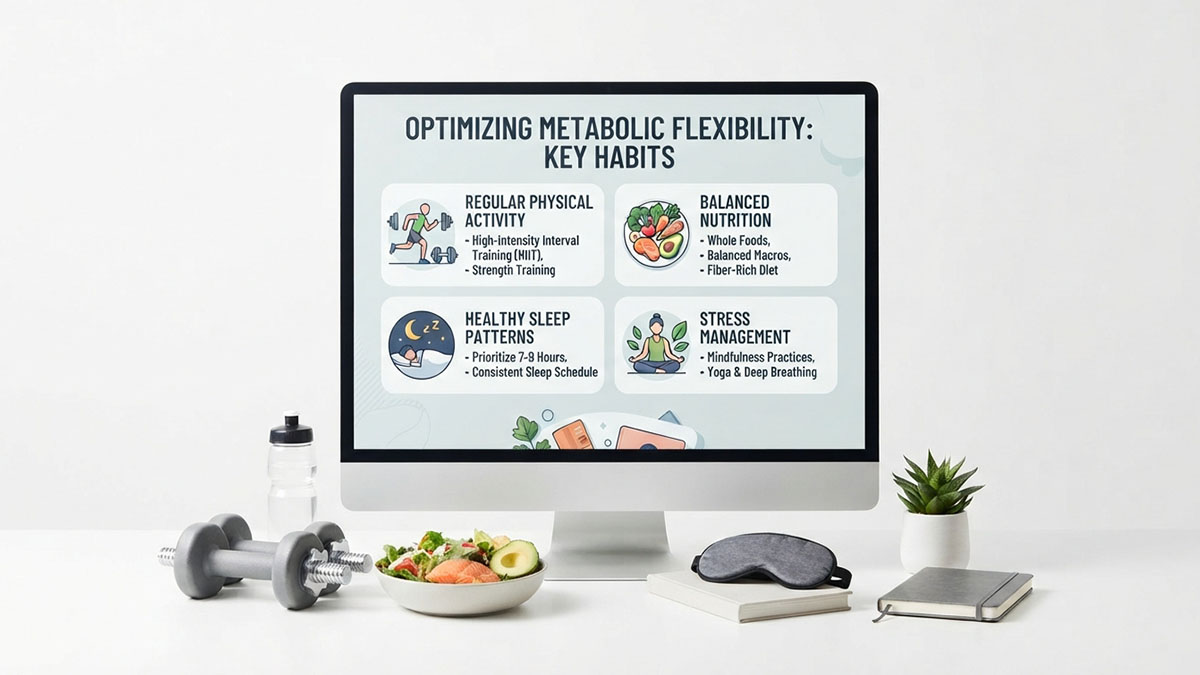
Physical movement and regular exercise play an irreplaceable role in keeping your cellular machinery adaptable and responsive to different energy demands. Engaging in a balanced fitness routine that combines cardiovascular training with resistance work challenges your muscles to utilize different energy systems efficiently. High-intensity interval training, or HIIT, and heavy strength training deplete muscle glycogen rapidly, forcing your cells to adapt by improving their insulin sensitivity and enhancing mitochondrial density. Meanwhile, low-intensity steady-state movement, such as a brisk morning walk or gentle cycling, encourages your body to burn fat for fuel. Mixing these training modalities ensures that your metabolic pathways remain flexible, strong, and capable of shifting gears instantly whether you are sprinting, lifting, or resting.
Nutrition quality and macronutrient timing are equally critical pieces of the puzzle when it comes to supporting your body’s metabolic adaptability. Eating a diet rich in whole, nutrient-dense foods such as clean proteins, healthy fats, fiber-rich vegetables, and complex unrefined carbohydrates prevents the massive blood sugar rollercoasters caused by sugary snacks and refined grains. Furthermore, eating mindfully and paying attention to your true hunger cues rather than eating out of boredom or habit helps train your metabolism to handle periods without food comfortably. When you nourish your body with real, wholesome foods and avoid constant grazing, you provide your cells with the stable biochemical environment they need to function at their highest level of efficiency.
Prioritizing deep, restorative sleep is another pillar of metabolic health that is far too often sacrificed in our fast-paced culture. When you consistently cut your sleep short or suffer from poor-quality rest, your body experiences hormonal disruptions, including elevated cortisol and ghrelin levels, alongside decreased insulin sensitivity. These hormonal imbalances make it significantly harder for your body to regulate blood sugar and utilize fat stores effectively the following day. Ensuring you get seven to nine hours of quality sleep each night resets your nervous system, optimizes your metabolic hormones, and prepares your cells to handle energy processing smoothly and efficiently.
Managing chronic everyday stress is also essential because stress hormones like cortisol directly impact how your body handles blood sugar and fat storage. When you are under constant mental or emotional pressure, your body assumes it is facing a physical threat, prompting a release of glucose into your bloodstream to provide quick energy for fight or flight. If this stress response remains chronically switched on without physical exertion, it contributes to insulin resistance and metabolic rigidity. Incorporating stress-reduction practices into your daily routine such as mindful breathing, meditation, spending time in nature, or enjoying a quiet hobby helps keep your cortisol levels balanced and protects your metabolic health.
Embracing this holistic approach to your daily wellness requires patience and consistency, as metabolic flexibility is not built overnight; it is forged through steady, healthy lifestyle choices practiced over weeks and months. By allowing your digestive system breaks through fasting, moving your body regularly with diverse exercises, eating whole nutrient-dense foods, prioritizing quality sleep, and managing stress, you completely transform how your body generates and utilizes energy. Mastering these habits means you will no longer feel at the mercy of energy crashes, afternoon slumps, or stubborn cravings, empowering you to live a vibrant, energized, and balanced life.