
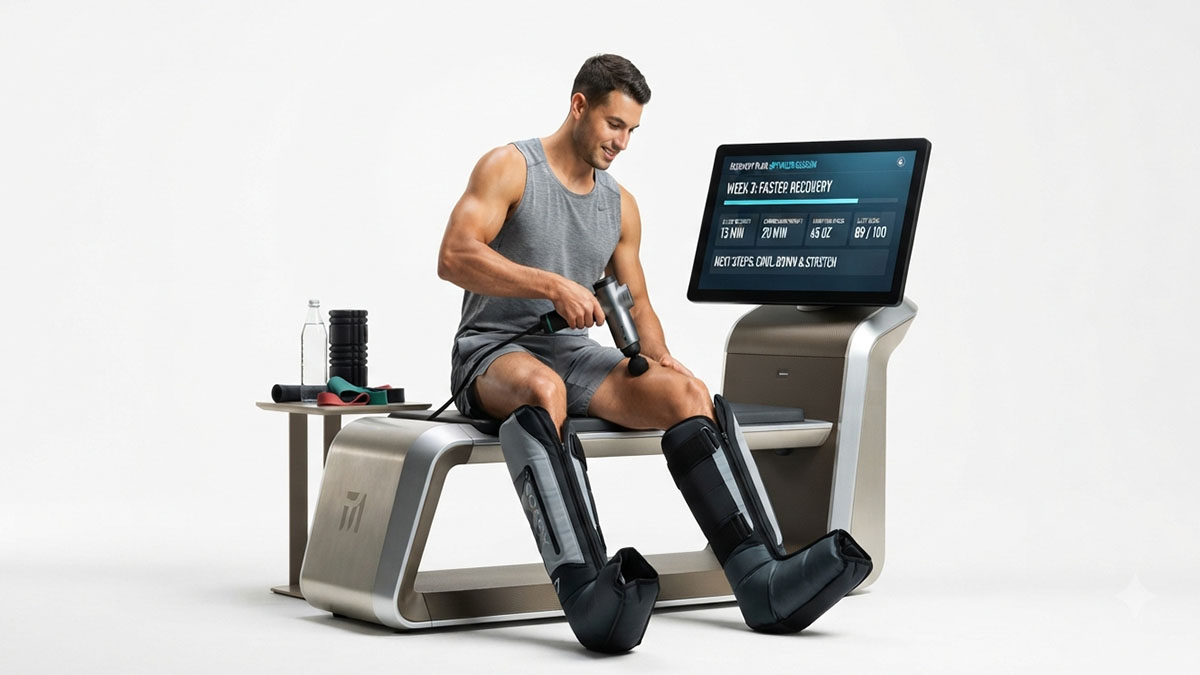
Pushing your physical limits through challenging workouts, heavy lifting sessions, or intense endurance runs is an incredible way to build strength, boost cardiovascular health, and achieve your personal fitness goals. However, anyone who exercises regularly knows that the actual physical gains do not happen while you are sweating in the gym or running down the pavement; rather, growth and recovery happen afterward during periods of rest. When you put your muscles under stress during exercise, microscopic tears form in the muscle fibers, and your energy stores become depleted. If you do not give your body the proper care, time, and nutrients it needs to repair itself, you risk experiencing persistent soreness, fatigue, decreased performance, and even painful injuries that can sideline you for weeks. Learning how to recover from workout faster is an essential skill for anyone wanting to maintain a consistent routine, minimize downtime, and maximize their athletic progress without burning out.
To truly understand the recovery process, we first need to look at what occurs inside your body immediately after a strenuous training session. As your muscles contract repeatedly, they consume glycogen for fuel and accumulate metabolic byproducts like lactic acid. Furthermore, the micro-tears in the muscle tissue trigger a natural inflammatory response, which is a necessary part of the healing process that ultimately makes your muscles stronger and more resilient over time. However, excessive inflammation and delayed onset muscle soreness can cause stiffness and discomfort that make everyday movements feel like a chore. Speeding up this recovery window requires a multi-faceted approach that addresses hydration, nutrition, sleep quality, and active rest techniques to clear metabolic waste and kickstart the tissue repair cycle efficiently.
Nutrition plays an absolute starring role in how quickly and effectively your body bounces back after physical exertion. Within the first hour following your workout, your muscles are like a dry sponge, eagerly waiting to absorb nutrients to replenish depleted glycogen stores and repair damaged tissue. Consuming a balanced post-workout meal or shake containing both quality carbohydrates and clean protein during this crucial window can dramatically accelerate recovery. Carbohydrates restore your lost energy reserves, while amino acids from protein provide the vital building blocks required to rebuild muscle fibers stronger than before. Incorporating foods like grilled chicken with sweet potatoes, a protein smoothie with berries and spinach, or Greek yogurt with honey can make a massive difference in how fresh you feel the next day.
Hydration is another pillar of rapid recovery that is far too often neglected by fitness enthusiasts. During intense physical activity, your body loses significant amounts of water and essential electrolytes through sweat, which helps regulate your internal temperature. If you finish your workout dehydrated, your blood volume decreases, making it much harder for your cardiovascular system to transport oxygen and nutrients to your recovering muscles. Rehydrating properly by drinking plenty of water infused with electrolytes ensures that metabolic waste products are flushed out efficiently and cellular functions operate smoothly. Making a conscious effort to sip water consistently throughout the day, rather than chugging a large amount all at once, keeps your fluid balance stable and supports optimal tissue repair.
Sleep is arguably the most powerful and effective recovery tool available to the human body, yet it is frequently sacrificed in our busy modern lives. When you drift off into deep, restorative sleep, your pituitary gland releases a surge of human growth hormone, which stimulates tissue growth, muscle repair, and fat metabolism. If you consistently cut your sleep short, your body remains in a state of elevated stress, producing higher levels of cortisol, which breaks down muscle tissue and severely impairs recovery. Prioritizing seven to nine hours of quality sleep each night creates the ideal internal environment for your muscles to heal, your nervous system to reset, and your energy levels to fully recharge for your next training session.
Active recovery is another fantastic strategy that many people misunderstand, often confusing rest with complete immobility. While spending an entire rest day lying motionless on the couch might sound appealing when your legs are sore, gentle movement is actually much more effective at reducing muscle stiffness. Engaging in light, low-impact activities on your rest days such as a leisurely walk, a gentle swimming session, or easy dynamic stretching increases blood circulation throughout your body. Enhanced blood flow delivers fresh oxygen and vital nutrients directly to your recovering muscle tissues while accelerating the removal of metabolic waste, helping you feel loose and refreshed much faster than total inactivity would.
Stretching, mobility work, and foam rolling are wonderful practical habits to incorporate into your post-workout cooldown routine. Foam rolling, often referred to as self-myofascial release, applies pressure to tight muscles and connective fascia, helping to break up knots, relieve tension, and improve joint range of motion. Spending just ten minutes after your workout gently rolling your calves, quads, hamstrings, and upper back can dramatically reduce post-workout tightness and prevent chronic muscular imbalances. Pairing this with static stretching while your muscles are still warm helps lengthen the muscle fibers and restores your body to a balanced, relaxed state.
Listening closely to your body’s subtle signals is a vital wisdom that separates long-term success from burnout and injury. There is a distinct difference between the normal, mild muscle fatigue that comes with a productive workout and the sharp, localized joint pain or chronic exhaustion that signals overtraining. If you wake up feeling constantly sluggish, irritable, or weak, your body is telling you that it needs more time to recover before you tackle another heavy session. Pushing through severe fatigue without adequate rest only leads to diminishing returns and potential injuries. Embracing rest days as an active, productive part of your fitness plan is a sign of maturity and dedication to your long-term health.
As you begin implementing these proven strategies into your daily routine, remember that recovery is not a one-size-fits-all formula; it requires a little bit of experimentation to see what works best for your unique body and lifestyle. Pay attention to how your muscles feel after adjusting your post-workout nutrition, increasing your water intake, or prioritizing an extra hour of sleep at night. By taking a smart, holistic approach and mastering how to recover from workout faster, you will eliminate frustrating soreness, protect your joints, and build a strong, energized body that is always ready for your next great fitness adventure.